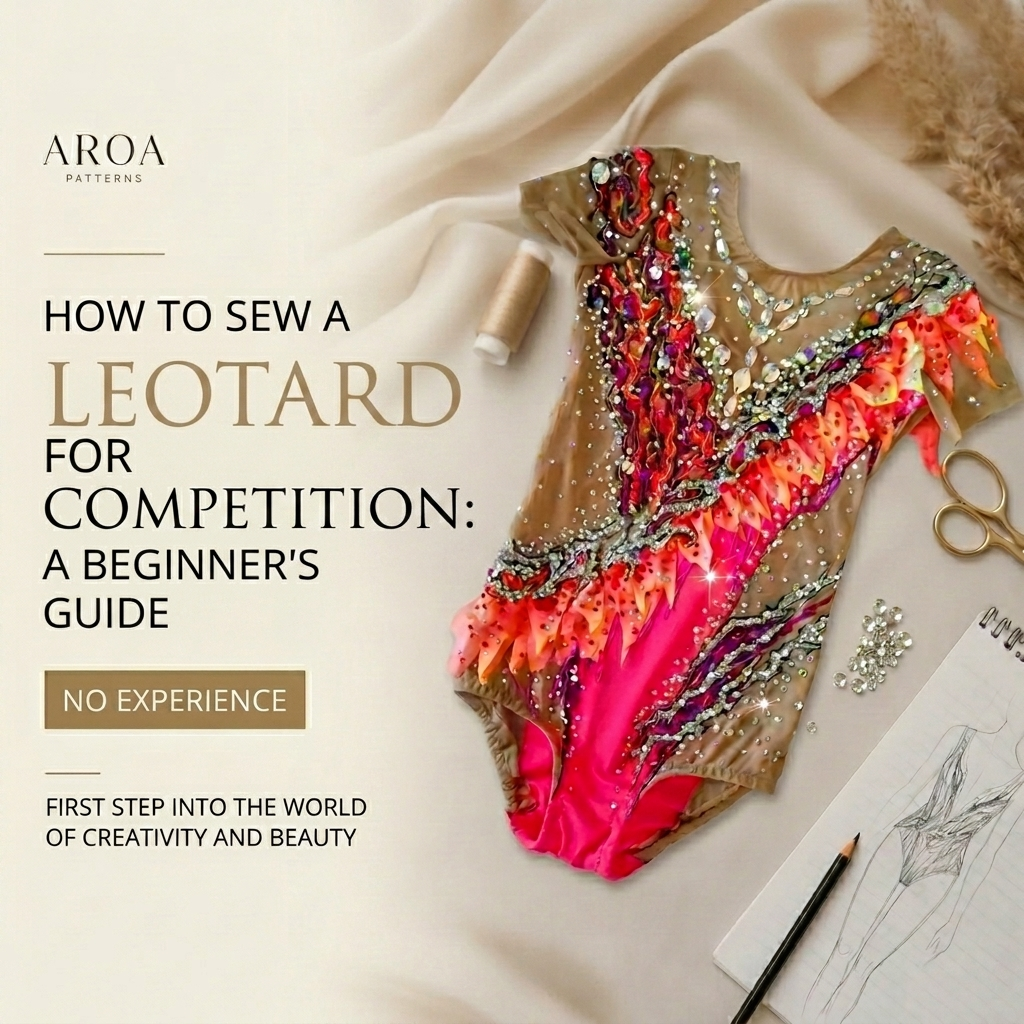
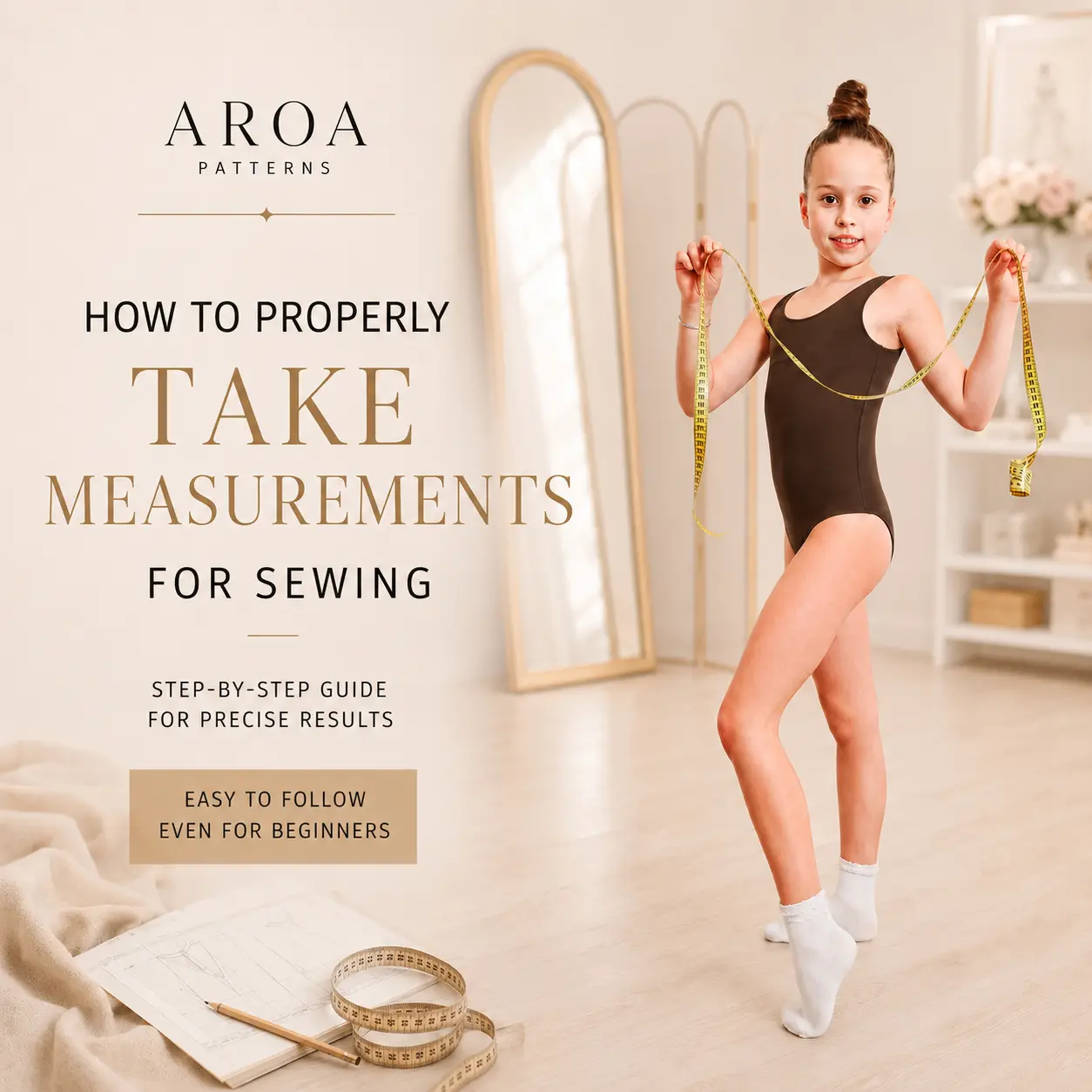
Competition Costume Niches: A Costume Maker's Guide to Cheer, Skating, Dance, and Color Guard
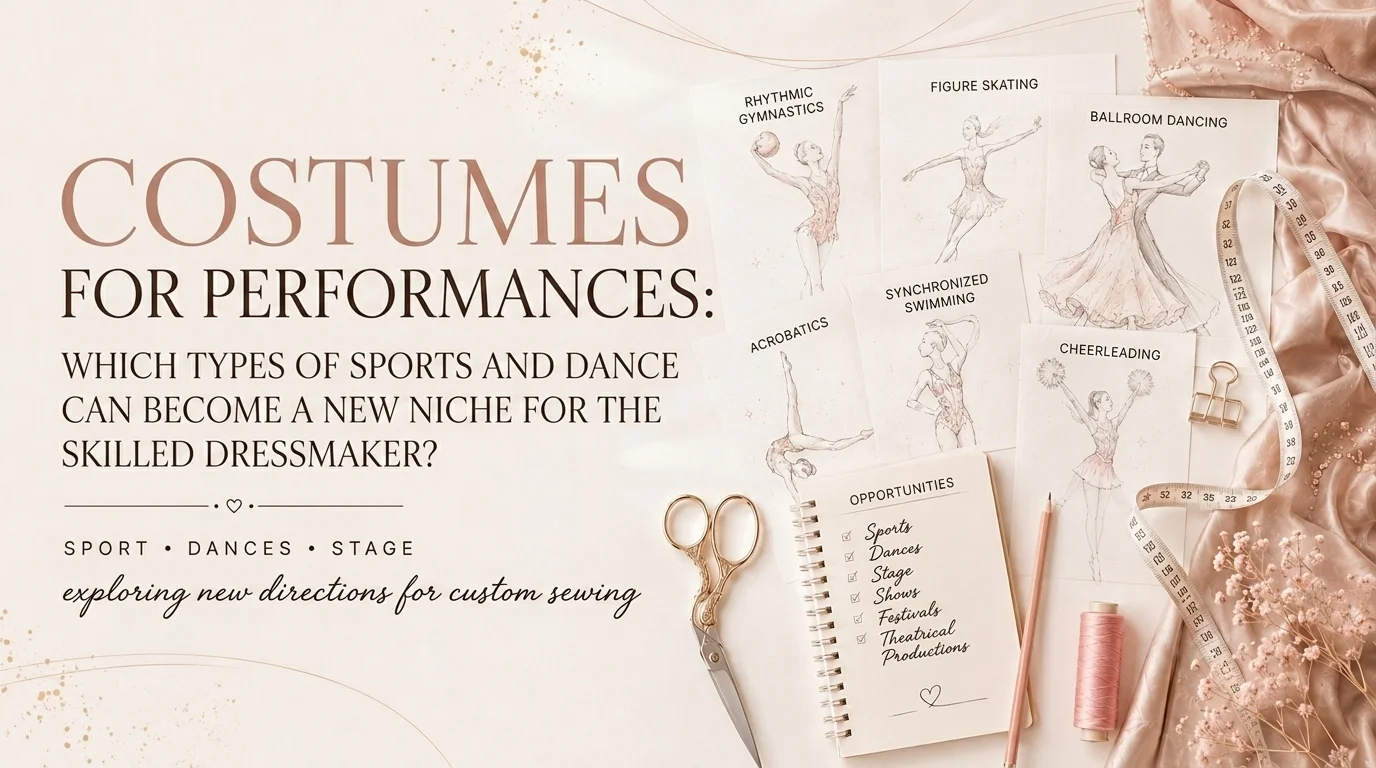
If you started out making rhythmic gymnastics leotards, you already know more than you think you do. The skills that go into a competition leotard — tight-fitting construction, stretch fabric handling, working from a body in motion instead of a body standing still — are the same skills that open the door to figure skating, competitive cheer, color guard, dance teams, and a half-dozen other markets you may never have considered.
That doesn't mean one pattern fits all of them. Every discipline has its own rulebook, its own fabric restrictions, its own idea of where decoration is allowed to live. But the base skill set already exists. The only real question is which direction you point it.
Why a Competition Costume Is Never "Just a Costume"
In most of these sports, a costume mistake doesn't just look bad — it costs points, on the record, in front of a panel of judges.
Under the FIG Code of Points for rhythmic gymnastics, an athlete loses 0.30 points if her competition attire doesn't conform to the regulations — same deduction that applies to a missing national emblem or a wrong-colored bandage. In figure skating, the ISU rule is blunter: any part of a costume or decoration that comes off and lands on the ice is an automatic 1.0-point deduction, applied by the referee and judging panel together. And in competitive cheerleading, USASF rules get specific about something most costume makers wouldn't think to ask: rhinestones are legal when they're adhered to the uniform, and illegal the moment they're adhered to skin.
None of that is small print. A 1.0-point deduction in figure skating can be the entire margin between first and second place. A costume maker who understands the rulebook isn't doing extra-credit homework — they're doing the part of the job that actually protects the client's score.
Start With the Garment, Not the Sport
The list of disciplines looks long and scattered until you stop sorting by sport and start sorting by construction. Underneath the different names, there are really only a handful of garment families.
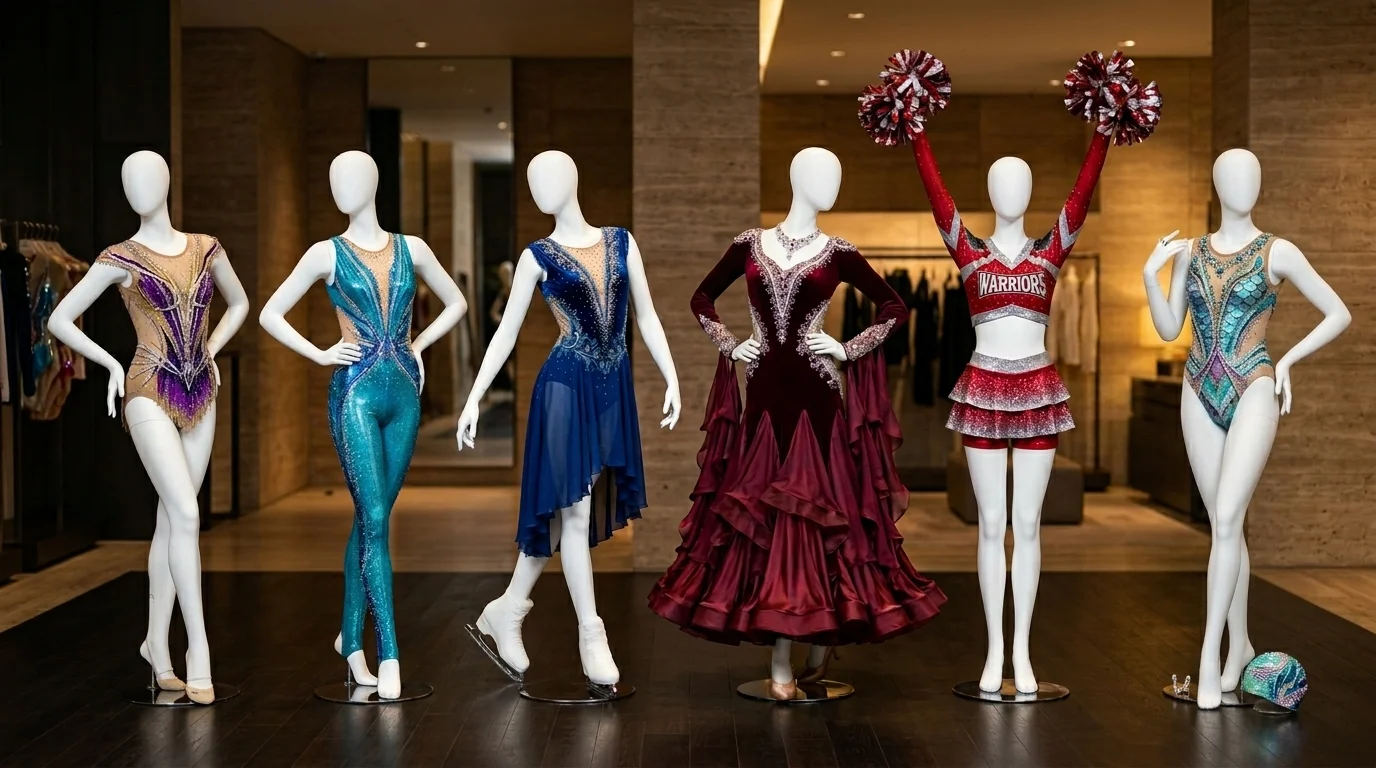
Bodysuits and leotards. Rhythmic gymnastics, artistic (women's) gymnastics, acrobatic gymnastics, aerobic and fitness aerobics, aerial arts, and contemporary/modern dance solos all live here. Same fitted-body logic, different decoration rules for each.
Swimwear. Artistic swimming (the sport formerly known as synchronized swimming — USA Artistic Swimming made the name change official to match the international rebrand) and competitive swim. Same close-fit principle as a leotard, but the fabric has to survive chlorine, hold color, and behave underwater instead of on a mat.
Dresses and costumes. Figure skating, ballroom and Latin dance, and dance team or theatrical production numbers. Here the garment works as a silhouette — skirt flare, line of movement, sleeve shape — built to read clearly from a distance, not up close.
Sets — top, skirt or briefs, shorts. Competitive cheerleading, acro dance, color guard and winter guard, drill team, and baton twirling/majorette all fall into this category. This is where team uniformity usually matters more than any single garment's individual flourish.
Theatrical and circus costuming. Circus arts and theatrical productions. The federation rulebook disappears here, but the bar for stage presence and decoration durability goes up, not down.
Who Actually Calls the Shots: Judges, or the Room
The real dividing line in this industry isn't "stricter" versus "looser." It's who actually has authority over the costume.
Judged disciplines
In rhythmic gymnastics, figure skating, artistic swimming, competitive cheer, and color guard/winter guard, the real client isn't the person paying you — it's the rulebook. Before you sketch a single design, pull the current rules from the relevant body: USA Gymnastics/FIG for rhythmic, US Figure Skating/ISU for skating, USA Artistic Swimming for synchro, USASF/AACCA for cheer, WGI for winter guard. A mistake here isn't "the client didn't love it." It's a deduction announced at the competition, in real time, in front of everyone.
There's a step that's easy to skip and expensive to skip: get the coach or director to sign off on the sketch before you cut fabric. The coach is picturing the team's overall look in a way that's often different from what the athlete or her parent described to you — and their notes can change the design more than the client's ever do.
Rules and requirements by discipline:
- Rhythmic gymnastics
- Aerobic gymnastics
- Acrobatic gymnastics
- Figure skating
- Artistic swimming
- Competitive cheerleading
- Baton twirling
Performance and show divisions
Circus arts, aerial shows, theatrical dance productions, and commercial performance work have no judge and no written rulebook — but they have an unwritten standard that's just as real. The costume has to read clearly from a theater seat or an arena's back row, hold its shape under stage lighting, and survive a dozen performances in a row, not just one competition run. The cost of a mistake shifts from "lost points" to "a piece of decoration hitting the floor mid-number" or a costume that simply doesn't register from the cheap seats.
Notes and recommendations by discipline:
Solo, Team, or Both? Decide Your Order Type
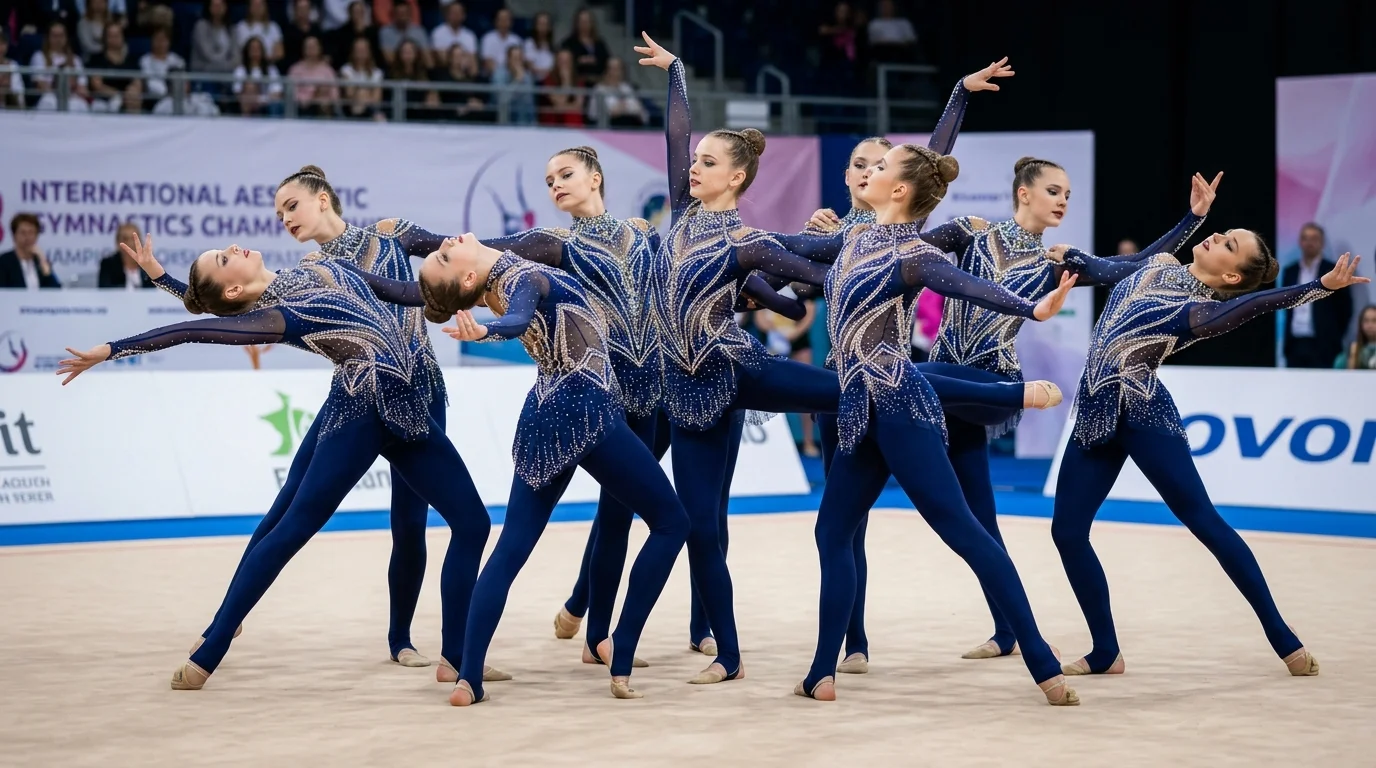
A competition costume isn't always a one-off. Rhythmic gymnastics, artistic swimming, figure skating, competitive cheer, drill team, twirling, acro dance, and color guard all regularly need a unified look across an entire roster.
For you, that's a different kind of order entirely: one design, a full set of individual measurements, a range of sizes, and a stack of patterns built from a single concept. US team sizes can run well past what you might expect from individual orders — a competitive drill team or winter guard line can easily run 20 to 40 members, all needing the same silhouette to fit bodies that don't match each other at all.
This is where dye-sublimation printing earns its keep for bulk team orders. The design prints directly into polyester fabric instead of sitting on top of it as a separate layer, so you can run a complex, full-color graphic across an entire roster without adding bulk or risking peeling.
Picking Your Lane
Choose a niche based on how you actually want to work, not just which costumes look the most impressive on Pinterest.
If you love intricate, decoration-heavy custom work
Figure skating, rhythmic gymnastics, artistic swimming, and theatrical costuming. High ticket per piece, because every order is built from scratch.
If you love precise construction with minimal embellishment
Artistic gymnastics, aerobic gymnastics, acrobatic gymnastics. Fit and structure matter more than decoration, and orders move through your workshop faster.
If you want recurring team accounts
Competitive cheer, drill team, color guard/winter guard, dance team. Lower price per piece, but you get the whole roster at once — and the same program usually comes back every season.
This isn't a hierarchy. It's three different revenue models: rare high-ticket commissions, fast-turnaround volume work, or recurring seasonal contracts from the same handful of programs. Your decision comes down to three things: which type of work you actually enjoy, whether there are gyms, studios, or rinks near you to build relationships with, and which income pattern you'd rather run — occasional expensive orders, or a steady pipeline from a few loyal teams.
There's also a built-in local advantage here that online competitors can't touch. Gyms, dance studios, and skating clubs want a costume maker nearby — someone who can handle a same-week fix before regionals or fit a costume right after practice. If there's a strong cheer gym, skating club, or dance studio near you, that's a pipeline most national online sellers simply can't compete with.
Why a Digital Pattern Block Changes the Math
Drafting a pattern by hand works fine when you're making one costume for one client. It stops working the moment you take on a new discipline, a different fit, or a full team order.
You need measurements, height, and proportions to translate cleanly across every single roster member — and you can't afford to lose accuracy on athlete number 23 just because you're tired of redrafting the same block by hand. With a 30-person color guard line, that math gets brutal fast.
AROA handles that part of the process: build a pattern from individual measurements, preview the result before you commit fabric, and have a working base ready to adjust. That doesn't replace your eye, your taste, or your hands — it just removes the redrafting bottleneck standing between you and the parts of the job that actually matter: fit, decoration, fabric choice, rule compliance, and the final look.
Curious about a new niche? Build a custom pattern from your own measurements in AROA and see a preview before you commit — whether you're making one costume or a full team set.
Build Your Pattern in AROA →